
Knee Replacement
About Knee Replacement
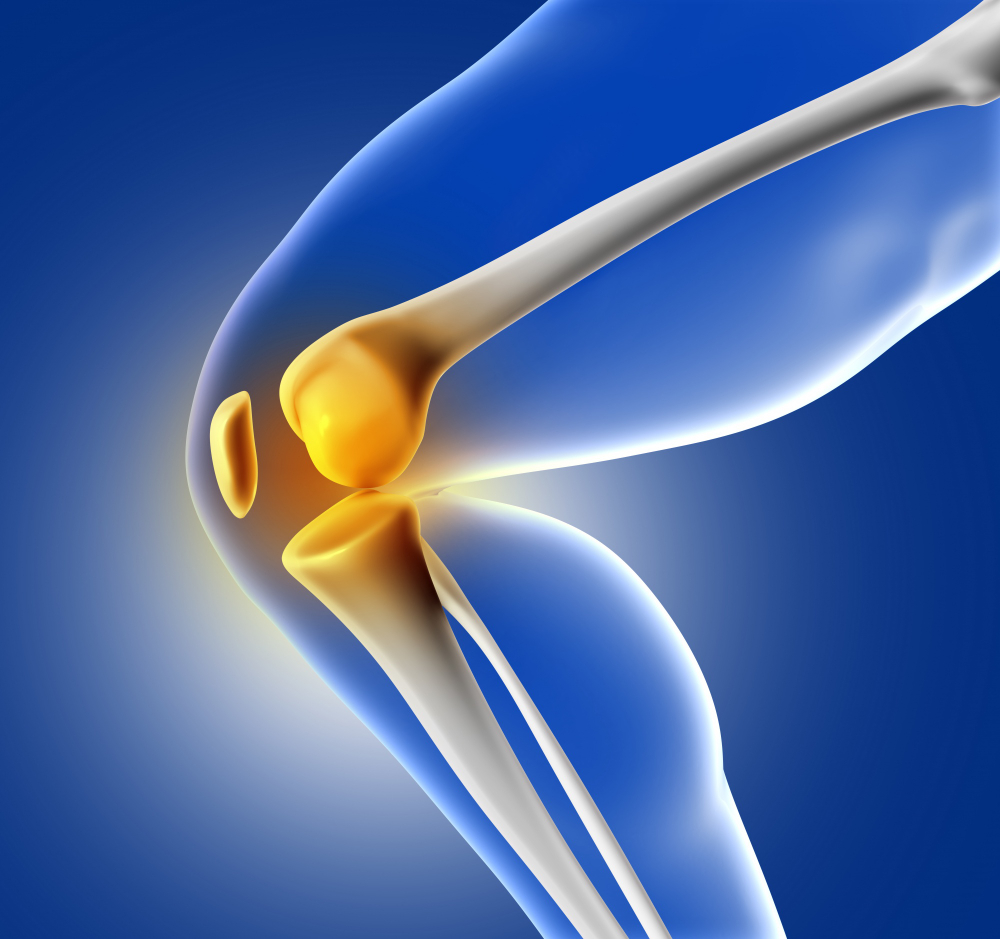
The knee joint relies on smooth cartilage and synovial fluid for pain-free movement. Aging, injury, overuse, or conditions like osteoarthritis can wear down cartilage, weaken ligaments, and cause joint stiffness, swelling, and chronic pain.
Knee replacement (knee arthroplasty) is a surgical procedure where the damaged surfaces of the knee joint are replaced with artificial implants. This restores smooth movement, reduces pain, and improves function.
- Patients with severe knee arthritis not relieved by medications or physiotherapy
- Individuals with fractures or trauma affecting the knee joint
- Patients with limited mobility and persistent knee pain affecting daily activities
- Total knee replacement: Both sides of the knee joint (femoral and tibial surfaces) are replaced
- Partial knee replacement: Only the damaged compartment of the knee is replaced
- Revision knee replacement: Replacement of a previous implant that has worn out or failed
Modern knee implants typically last 15–20 years, depending on activity level, implant type, and adherence to post-operative care.
The surgery is performed under anesthesia, so there is no pain during the procedure. Post-operative discomfort is generally mild and managed with medications, ice therapy, and guided physiotherapy.
- Immediate post-op: Walking with a walker or support, gentle knee movements
- 2–6 weeks: Gradual physiotherapy to regain knee flexibility and strength
- 6–12 weeks: Increased walking distance, return to light daily activities
- 3–6 months: Full functional recovery, return to normal activities, and low-impact sports if cleared by your surgeon

Address
Metro pillar No.C, 1494, Yousufguda Main Rd., Yella Reddy Guda, Hyderabad.
Call Us
+91 96 52 50 52 52
Website
www.eliteorthoandspine.in