
Plantar fasciitis is a common cause of heel pain. It commonly, not exclusively, affects women in their ages 25-50 yrs, especially those who spend a lot of time on their feet. If you have sharp pain in your heel, especially in the morning or after change in position from sitting to standing and relieved after few steps or few minutes, you might have plantar fasciitis. This condition can make walking or standing uncomfortable. However, with the right early care, most people find relief. In this blog, we will explain what plantar fasciitis is, its causes, symptoms, diagnosis, and the best treatment options. We will also share tips for heel pain relief and orthopedic foot care.
What Is Plantar Fasciitis?
Plantar fasciitis is an inflammation of the thick band of tissue on the bottom of your foot. This tissue, called the plantar fascia, connects your heel bone to your toes. It helps support the arch of your foot. When this tissue becomes irritated or inflamed, it causes pain, especially near the heel. Usually, the pain is worse in the morning or after long periods of rest. Over time, the pain may improve with movement but can return after standing or walking for a while.
Common Causes of Plantar Fasciitis
There are no specific reasons for this to occur. At times factors causing this are
Sudden increase in physical activity, such as running or jumping
Recent weight gain or being overweight, which adds extra stress to your feet,
Age, as plantar fasciitis is more common in people aged 30 to 50
In addition, tight calf muscles or Achilles tendons can make the problem worse. Paying attention to these risk factors can help prevent heel pain.
Recognizing the Symptoms
It is important to know the signs of plantar fasciitis. Early recognition can help you seek treatment sooner. Here are the key symptoms:
Sharp or stabbing pain in the bottom of the heel
Pain that is worse in the morning or after standing from sitting
Pain that improves with movement but returns after standing for a while
Swelling or tenderness in the heel area, less likely
Stiffness in the foot, especially after rest
If you notice these symptoms, it is wise to take action early. This can help prevent the pain from getting worse.
How Plantar Fasciitis Is Diagnosed
Doctors use several steps to diagnose plantar fasciitis. First, they will ask about your symptoms and medical history. Next, they will examine your foot for tenderness, swelling, or pain. Sometimes, your doctor may ask you to walk or stand to check your foot movement. In some cases, imaging tests like X-rays or ultrasound may be used. These tests help rule out other causes of heel pain, such as fractures or arthritis. Usually, a physical exam is enough for diagnosis.
Treatment Options for Plantar Fasciitis
There are many ways to treat plantar fasciitis. Most people get better with simple, non-surgical treatments. Here are some effective options:
Heat: warm water immersion of feet for 15-20 mins morning and night, without adding salt
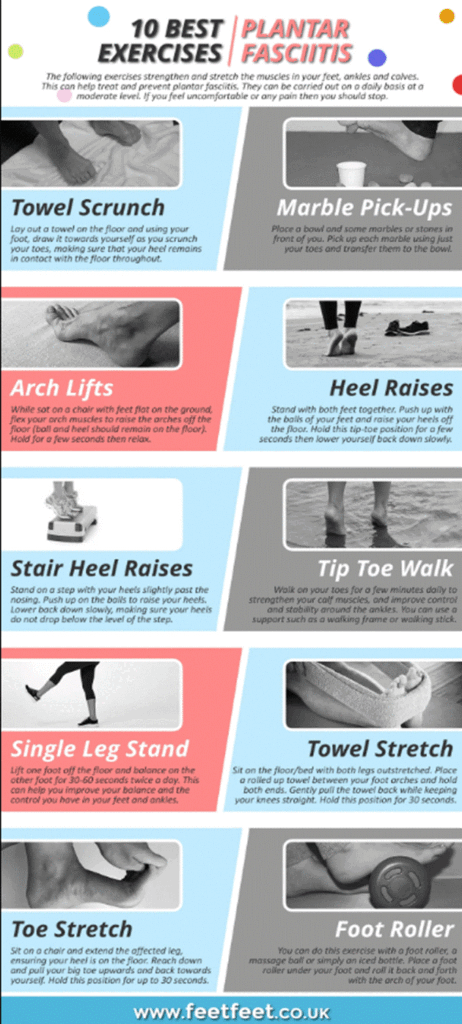
Stretching: Gentle stretches for your foot and calf can help ease pain. PLANTAR FASCIA STRETCHING EXERCISES
Supportive Shoes: Wear shoes with good arch support and heel cushioning.
Orthotic Inserts: Special shoe inserts like Heel Insoles can reduce pressure on your heel.
Pain Relief: Over-the-counter medicines like ibuprofen can help reduce pain and swelling, though not recommended for daily usage
In some cases, your doctor may suggest physical therapy. shock wave therapy may be used. Surgery is only needed if other treatments do not work after several months. If your pain does not improve, it is important to see a doctor for further care.
Prevention and Lifestyle Tips
There are steps you can take to lower your risk of plantar fasciitis. These tips can also help manage symptoms if you already have heel pain:
Choose shoes with good arch support and cushioning
Replace worn-out shoes regularly
Stretch your feet and calves daily
Maintain a healthy weight to reduce stress on your feet
Warm up before exercise and avoid sudden increases in activity
Use a soft mat if you stand for long periods
By following these tips, you can protect your feet and reduce the chance of pain returning.
When to Consult an Orthopedic Specialist
Sometimes, home treatments are not enough. If your heel pain lasts more than a week, or if it gets worse, you should see an orthopedic specialist. Also, if you have trouble walking or notice swelling, redness, or numbness, seek medical help. An orthopedic doctor can offer advanced treatments and help you find the best plan for heel pain relief.
Frequently Asked Questions about Plantar Fasciitis
1. How long does plantar fasciitis last?
It’s a self limiting disease in many, Most people feel better within a few weeks with proper care without any medicines. However, some cases may take longer to heal.
2. Can I exercise with plantar fasciitis?
Yes, but choose low-impact activities like swimming or cycling. Avoid running or jumping until your pain improves.
3. Are there any home remedies for heel pain relief?
Yes. Heat and gentle stretching, and supportive shoes will help. However, see a doctor if pain continues.
4. Do I need surgery for plantar fasciitis?
Most people do not need surgery. Surgery is only considered if other treatments fail after several months.
5. What kind of doctor treats plantar fasciitis?
Orthopedic specialists and podiatrists are experts in foot care and can help treat plantar fasciitis.
Conclusion & Call-to-Action
Plantar fasciitis can cause lasting heel pain, but effective treatments are available. With the right steps, most people find relief and return to normal activities. If you have ongoing heel pain, do not wait. Consult our orthopedic specialist Dr.Vamshi Krishna Terala for personalized advice and the best care for your feet nonsurgically.