
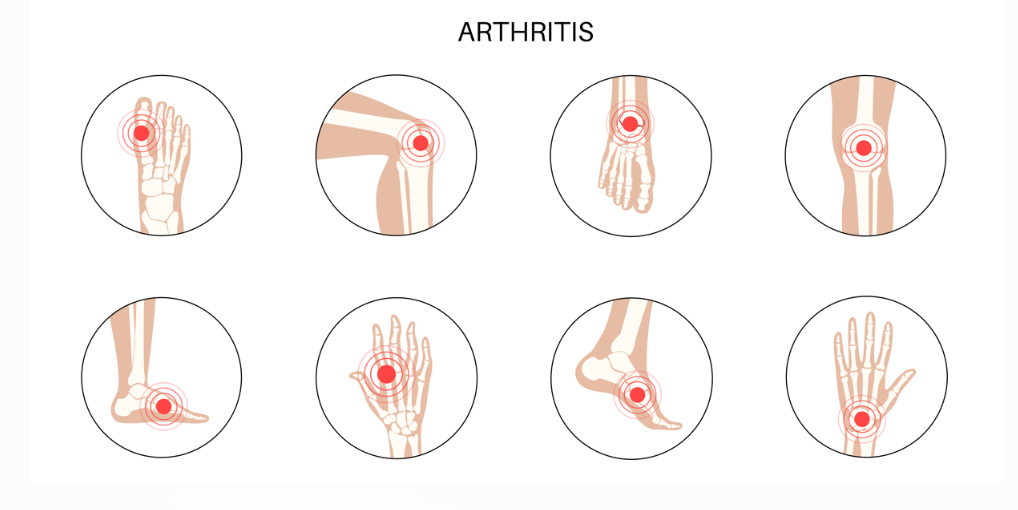
What is Arthritis?
Arthritis is a condition that causes pain and swelling in the joints. There are many types of arthritis, and each type affects the body in different ways. Although anyone can get arthritis, it is more common as people age. For many, arthritis can make daily tasks harder. However, knowing the types of arthritis can help you understand your symptoms and seek the right care.
Common Types of Arthritis
There are several different types of arthritis. Each type has unique features. Below are the most common types:Osteoarthritis: This is the most common type. It happens when the cartilage in joints wears down over time.Rheumatoid Arthritis: This type is an autoimmune disease. The body’s immune system attacks the joints.Psoriatic Arthritis: This type affects some people who have psoriasis, a skin condition.Gout: Gout occurs when uric acid builds up in the joints, causing sudden pain.Juvenile Arthritis: This type affects children under 16 years old.
Symptoms of Each Type
Each type of arthritis has its own symptoms. Still, some symptoms are common across types. Here is how to identify arthritis types by their signs:Osteoarthritis: Joint pain, stiffness, and swelling, often worse after activity.Rheumatoid Arthritis: Swollen, tender joints, morning stiffness, and fatigue.Psoriatic Arthritis: Joint pain, swelling, and red, scaly skin patches.Gout: Sudden, severe pain, usually in the big toe, redness, and swelling.Juvenile Arthritis: Joint swelling, pain, fever, and sometimes rash in children.
Causes and Risk Factors
Different types of arthritis have different causes. However, some risk factors are common. For example, age, family history, and being overweight can raise your risk. Here are some causes and risk factors for each type:Osteoarthritis: Aging, joint injury, or overuse.Rheumatoid Arthritis: Immune system problems and genetics.Psoriatic Arthritis: Family history of psoriasis or arthritis.Gout: High uric acid levels, certain foods, and alcohol use.Juvenile Arthritis: Exact cause is unknown, but immune system issues may play a role.
Diagnosis Methods
Doctors use several ways to diagnose the different types of arthritis. First, they ask about your symptoms and medical history. Next, they do a physical exam. Sometimes, they order tests to confirm the diagnosis. These tests may include:Blood tests to check for inflammation or antibodiesJoint fluid analysis to look for crystals or infectionX-rays or MRI scans to see joint damage
Early diagnosis helps start the right treatment quickly.
Treatment Options for Each Type
Treatment depends on the type of arthritis. However, the goal is always to reduce pain and improve movement. Here are common treatments for each type:Osteoarthritis: Pain relievers, physical therapy, and sometimes joint replacement surgery.Rheumatoid Arthritis: Medications to control the immune system, physical therapy, and regular check-ups.Psoriatic Arthritis: Anti-inflammatory drugs, medicines for psoriasis, and exercise.Gout: Medications to lower uric acid, pain relief, and diet changes.Juvenile Arthritis: Medicines, physical therapy, and support for children and families.
Always talk to your doctor before starting any new treatment.
Lifestyle Tips and Prevention
While you cannot always prevent arthritis, healthy habits can help. For instance, staying active keeps joints flexible. Eating a balanced diet helps control weight and reduces joint stress. Here are some tips:Exercise regularly, but choose low-impact activities like swimming or walkingMaintain a healthy weight to ease joint pressureEat foods rich in omega-3 fatty acids, such as fishAvoid smoking and limit alcoholProtect your joints from injury
Early action can slow the progress of many types of arthritis.
Conclusion
Understanding the type of arthritis is the first step towards effective care. If you experience joint pain, swelling, or stiffness, consult Dr. Vamshi Krishna, Orthopedic Specialist, for accurate diagnosis and personalised treatment guidance.