
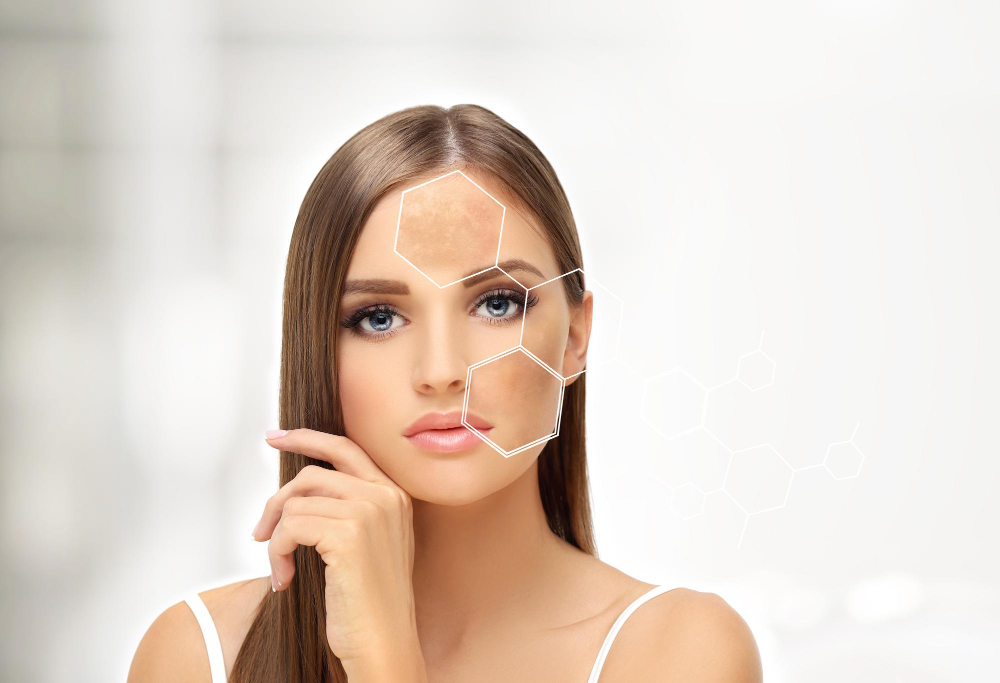
What is Skin Pigmentation?
Skin pigmentation is the color of your skin. It comes from a natural pigment called melanin. Melanin is made by special cells in your skin. Everyone has melanin, but the amount varies. For example, people with darker skin have more melanin. On the other hand, those with lighter skin have less. Skin pigmentation helps protect you from the sun’s harmful rays. However, changes in skin color can happen for many reasons.
Causes of Skin Pigmentation Changes
There are many causes of skin pigmentation changes. Sometimes, these changes are harmless. But other times, they may signal a health issue. Common causes include:Sun exposure: Too much sun can darken your skin.Hormonal changes: Pregnancy or birth control pills can affect skin color.Skin injuries: Cuts, burns, or acne may leave dark or light spots.Medical conditions: Diseases like vitiligo or melasma can change skin color.Certain medicines: Some drugs may cause pigmentation changes.
According to the World Health Organization (WHO), sun exposure is a leading cause of skin pigmentation changes worldwide.
Can Skin Pigmentation Be Altered?
Many people wonder if they can change skin color safely. In some cases, skin pigmentation can be altered. However, results depend on the cause. For example, some treatments can lighten dark spots. Others may help even out skin tone. But, it is important to avoid unsafe methods. Unsafe products may harm your skin or health. Always talk to a dermatologist before trying to change your skin color.
Safe Medical Treatments and Procedures
There are safe treatments for skin pigmentation. These should be done by trained professionals. Some common options include:Topical creams: Doctors may prescribe creams with ingredients like hydroquinone or retinoids.Chemical peels: These remove the top layer of skin to fade dark spots.Laser therapy: Lasers can target and break down extra pigment.Microdermabrasion: This treatment gently removes dead skin cells.
However, not all treatments work for everyone. Therefore, a dermatologist will suggest the best option for you. The American Academy of Dermatology recommends avoiding over-the-counter products that are not approved by health authorities.
Lifestyle Tips for Healthy Skin Pigmentation
Besides medical treatments, healthy habits can help maintain even skin tone. Here are some tips:Use sunscreen daily, even on cloudy days.Wear protective clothing and hats outdoors.Eat a balanced diet rich in fruits and vegetables.Avoid picking or scratching your skin.Stay hydrated by drinking enough water.
With these steps, you can protect your skin and reduce the risk of unwanted pigmentation changes.
Prevention and Myths
Many myths surround skin pigmentation. For instance, some believe that home remedies can quickly lighten skin. However, most of these do not work and may even cause harm. Instead, focus on prevention. For example, regular use of sunscreen can prevent many pigmentation problems. Also, avoid harsh chemicals or unproven treatments. The Centers for Disease Control and Prevention (CDC) advises using only safe, tested products for your skin.
When to See a Dermatologist
Sometimes, changes in skin pigmentation need medical attention. You should see a dermatologist if:You notice sudden or spreading changes in skin color.Spots are painful, itchy, or bleeding.Home care or over-the-counter products do not help.You have a family history of skin conditions.
Early advice from a skin doctor can help find the cause and guide safe treatment.
In summary, skin pigmentation can sometimes be altered, but safety is key. Consult a dermatologist at Dr Maheshwari Skin Clinic for personalized advice on skin pigmentation concerns.