
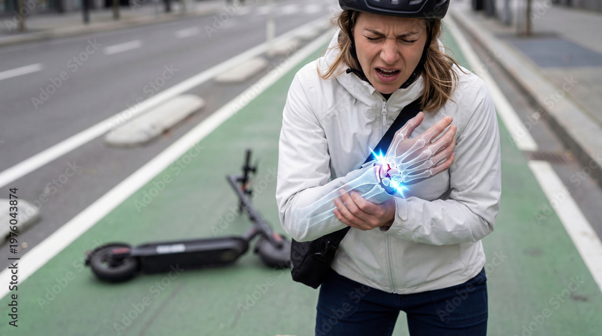
What Are Foosh Injuries?
Foosh injuries happen when you fall and land on your outstretched hand. The word “Foosh” stands for “fall on outstretched hand.” These injuries are common in both children and adults. Often, people try to break a fall with their hands. As a result, the force travels up the arm and can cause damage. Foosh injuries can affect the wrist, forearm, elbow, or even the shoulder. Many orthopedic foosh injuries need quick care to heal well.
Common Causes of Foosh Injuries
There are many ways a foosh injury can happen. For example, slipping on a wet floor or tripping while running may lead to a fall on your hand. In addition, sports and outdoor activities often increase the risk. Here are some common causes:Slipping on ice or wet surfacesFalling while playing sports like soccer or basketballTripping over objects at home or outsideAccidents during biking, skating, or skateboardingFalling from playground equipment
Because these injuries can happen to anyone, it is important to know the risks.
Symptoms of Foosh Injuries
After a fall on outstretched hand injury, you may notice pain right away. However, some symptoms can appear later. Watch for these signs:Pain in the wrist, forearm, elbow, or shoulderSwelling or bruising around the jointDifficulty moving the affected arm or handVisible deformity or odd shapeNumbness or tingling in the fingersWeak grip or trouble holding objects
If you notice any of these foosh injury symptoms, seek care soon. Early treatment can help prevent problems.
How Foosh Injuries Are Diagnosed
Doctors use several steps to diagnose foosh injuries. First, they will ask how the injury happened. Next, they will check your arm for pain, swelling, or movement problems. Often, doctors order X-rays to look for broken bones. Sometimes, they may use an MRI or CT scan to see soft tissue damage. These tests help find sprains, strains, or ligament tears. Because each injury is different, a full exam is important for the right treatment.
Treatment Options for Foosh Injuries
Treatment for foosh injuries depends on how serious the injury is. In many cases, simple care at home helps. However, some injuries need medical treatment. Here are common foosh injury treatment options:Rest and avoid using the injured armApply ice to reduce swellingUse a splint or cast if there is a fractureTake pain relievers as advised by your doctorPhysical therapy to regain strength and movementSurgery for severe breaks or ligament injuries
Always follow your doctor’s advice for the best results. In some cases, orthopedic foosh injuries may take weeks to heal fully.
Tips for Prevention and Recovery
While you cannot prevent every fall, you can lower your risk. For instance, keeping your home free of clutter helps. Here are some tips:Wear shoes with good gripClean up spills right awayUse handrails on stairsStay alert during sports and outdoor playDo exercises to improve balance and strength
During recovery, follow your treatment plan. In addition, do any exercises your doctor suggests. This helps you heal faster and lowers the risk of future injuries.
When to See an Orthopedic Specialist
Sometimes, foosh injuries need expert care. You should see an orthopedic specialist if:Pain or swelling does not improve after a few daysYou cannot move your arm or handThere is a visible deformityYou feel numbness or tinglingYour injury happened during sports or a hard fall
Early care from a specialist can prevent long-term problems. Moreover, they can guide you through the right foosh injury treatment for your needs.
In summary, foosh injuries are common but treatable. If you think you have a fall on outstretched hand injury, do not wait. Consult an orthopedic specialist Dr. Vamshi Krishna for personalized advice on Foosh injuries.