
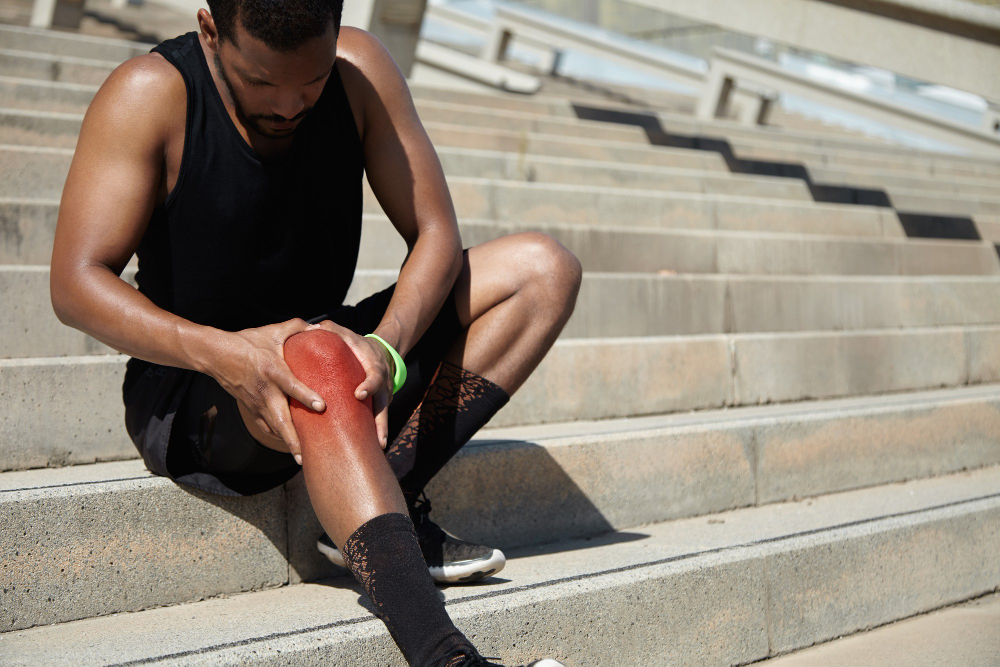
Introduction to Sports Injuries
Sports injuries are common among people of all ages. Whether you play sports for fun or compete at a high level, you may face an injury. In fact, the CDC reports that millions of people visit doctors each year for sports injuries. Because these injuries can affect your daily life, it is important to know the signs, causes, and ways to prevent them. This guide will help you understand sports injuries and how to manage them.
Most common sports injury is Ankle Sprain and most neglected is also Ankle sprain. Negligence in addressing an Ankle injury can be at times NOTHING to worst cases being Ligamentous instability or Ankle arthritis
Common Symptoms of Sports Injuries
Recognizing sports injury symptoms early can help you get the right care. Often, symptoms appear right after an accident. However, some may develop slowly over time. Here are common signs to watch for:Pain or tenderness in a joint or muscleSwelling or bruisingStiffness or loss of movementWeakness or instabilitySudden popping or snapping soundsDifficulty bearing weight or walking
Sometimes, symptoms may seem mild at first. But if they get worse, you should seek help.
Causes and Risk Factors
Sports injuries can happen for many reasons. Often, they result from accidents, overuse, or poor technique. However, some people are at higher risk. Here are common causes and risk factors:Not warming up before activityUsing improper equipment or gearPoor training habitsSudden increase in activity levelPrevious injuriesFatigue or lack of rest
For example, children and teens are more likely to get injured because their bodies are still growing. In addition, adults who return to sports after a break may face higher risks.
Diagnosis Methods
Doctors use several methods to diagnose sports injuries. First, they will ask about your symptoms and how the injury happened. Next, they may perform a physical exam. Sometimes, tests are needed to confirm the diagnosis. These may include:X-rays to check for broken bonesMRI or ultrasound scans to look at muscles and ligamentsCT scans for detailed images
Early diagnosis can help you recover faster. Therefore, do not delay seeing a doctor if you suspect a sports injury.
Treatment Options
Treatment for sports injuries depends on the type and severity. In many cases, simple home care is enough. However, some injuries need medical attention. Common treatment options include:Rest, ice, compression, and elevation (RICE)Pain relievers or anti-inflammatory medicinesPhysical therapy to regain strengthBraces or splints for supportSurgery for severe injuries
For example, minor sprains often heal with rest and ice. But broken bones or torn ligaments may need surgery. Always follow your doctor’s advice for the best results.
Prevention Tips
Preventing sports injuries is possible with the right steps. While accidents can happen, you can lower your risk by following these tips:Warm up before exerciseUse proper technique and equipmentDo not push through painTake regular breaks and rest daysStay hydrated and eat a balanced dietListen to your body and stop if you feel discomfort
In addition, joining a sports injury clinic near you can provide expert guidance on safe training.
Lifestyle Guidance for Recovery
Recovering from a sports injury takes time and patience. However, you can speed up healing with healthy habits. Here are some lifestyle tips:Follow your treatment plan closelyAttend all physical therapy sessionsEat foods rich in protein and vitaminsGet enough sleep each nightStay positive and set small goals
Moreover, avoid returning to sports too soon. This can prevent re-injury and help you heal fully.
When to See an Orthopedic Specialist
Sometimes, sports injuries need expert care. You should see an orthopedic specialist if you notice:Severe pain or swellingInability to move a joint or limbVisible deformitySymptoms that do not improve with restRepeated injuries in the same area
Early treatment by a specialist can prevent long-term problems. Therefore, do not wait if your symptoms are serious or getting worse.
For expert guidance on sports injuries, consult Dr. Vamshi Krishna for personalised advice on the best treatment and prevention strategies for your needs.