What is Osteoporosis?
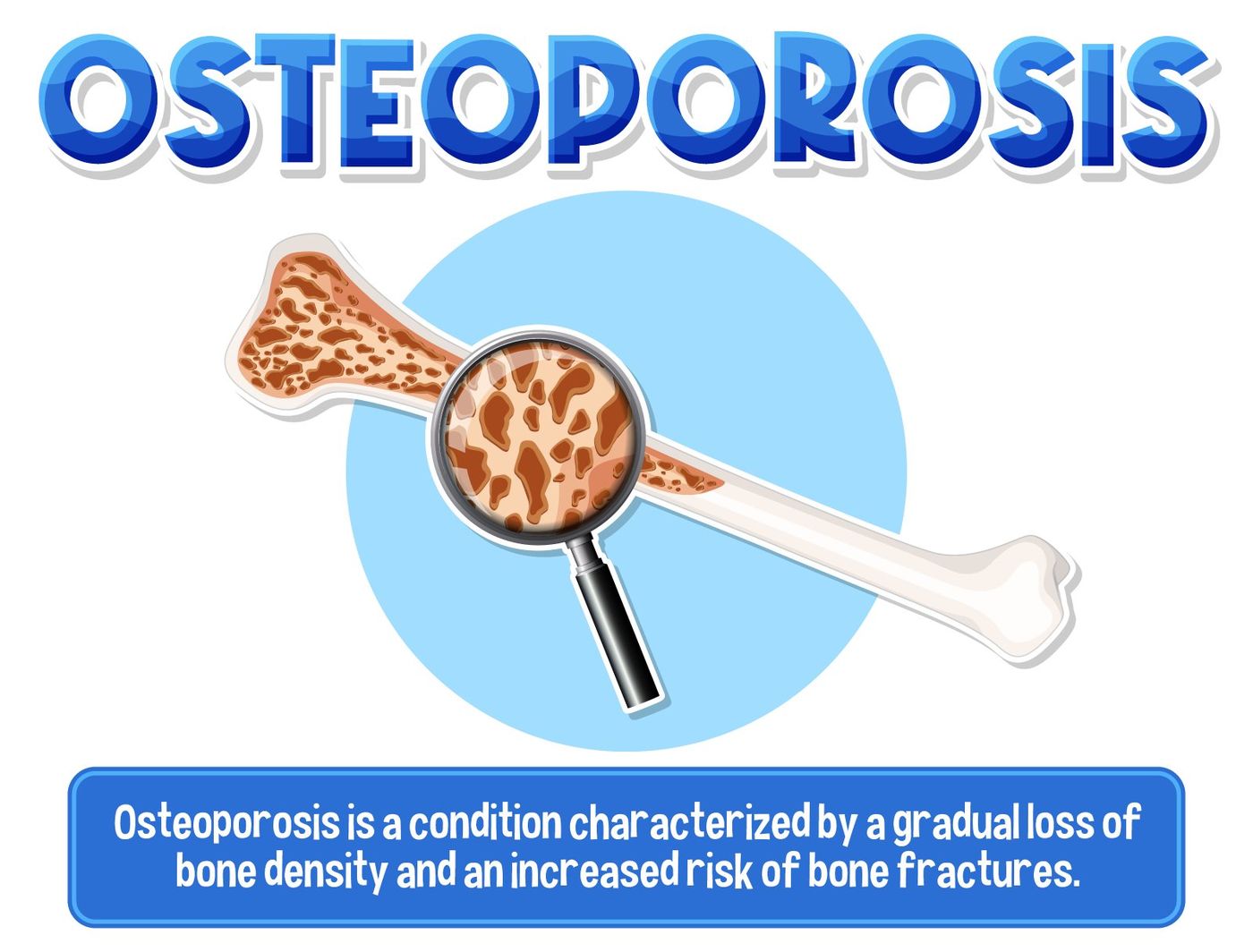
Osteoporosis is a condition where bones become weak and brittle. Because of this, even a small fall or bump can cause a bone to break. In fact, osteoporosis affects millions of people worldwide. As we age, our bones can lose strength. However, not everyone develops osteoporosis. Early detection is important for better bone health. According to the World Health Organization (WHO), osteoporosis is a major public health concern. For this reason, understanding the condition can help you take steps to protect your bones.
Common Symptoms of Osteoporosis
Osteoporosis is often called a “silent disease.” This is because you may not notice any symptoms at first. Still, as the disease progresses, certain signs may appear. For example, you might notice:Back pain, which can be caused by a broken or collapsed boneLoss of height over timeA stooped postureBones that break more easily than expected
However, not everyone will have these symptoms. If you notice any of these signs, it is wise to talk to your doctor. Early treatment can help prevent further bone loss.
Causes and Risk Factors
Many factors can lead to osteoporosis. Some you can control, while others you cannot. For instance, age is a major risk factor. As you get older, your bones naturally become weaker. In addition, women are more likely to develop osteoporosis than men. This is often due to hormonal changes after menopause. Other risk factors include:Family history of osteoporosisLow calcium or vitamin D intakeLack of physical activitySmoking or heavy alcohol useCertain medicines, such as steroidsSmall body frame
Because some risk factors cannot be changed, it is important to focus on what you can control. For example, eating a healthy diet and staying active can help support bone health.
How Osteoporosis is Diagnosed
Doctors use several methods to diagnose osteoporosis. Usually, a bone density test is the main tool. This test, called a DEXA scan, measures how strong your bones are. In addition, your doctor may ask about your medical history and risk factors. Blood tests can also help rule out other causes of bone loss. If you are over 50 or have risk factors, your doctor may suggest screening. Early diagnosis allows for better osteoporosis treatment options and can help prevent fractures.
Treatment Options for Osteoporosis
There are many osteoporosis treatment options available. Your doctor will choose the best plan for you. Treatment may include:Medicines to slow bone loss or build new boneCalcium and vitamin D supplementsExercise programs to strengthen bones and musclesLifestyle changes, such as quitting smoking
Sometimes, your doctor may suggest physical therapy. This can help improve balance and prevent falls. Because each person is different, your treatment plan may vary.
Lifestyle Tips for Bone Health
Good habits can make a big difference in bone health. For example, you can:Eat foods rich in calcium, like dairy, leafy greens, and almondsGet enough vitamin D from sunlight or supplementsStay active with weight-bearing exercises, such as walking or dancingAvoid smoking and limit alcoholMaintain a healthy weight
Moreover, making these changes early can help keep your bones strong as you age. Even small steps can have a big impact over time.
Prevention Strategies
Preventing osteoporosis is possible for many people. While you cannot change your age or family history, you can take steps to lower your risk. Here are some ways to help prevent osteoporosis:Eat a balanced diet with enough calcium and vitamin DExercise regularly, focusing on strength and balanceAvoid smoking and limit alcohol useTalk to your doctor about bone health, especially if you have risk factorsGet regular bone density tests if recommended
Because prevention is easier than treatment, start these habits as soon as possible. Your bones will thank you in the long run.
Osteoporosis often develops silently, but early detection and the right treatment can significantly reduce the risk of fractures and improve bone health. A balanced diet, regular exercise, healthy lifestyle choices, and timely bone health screenings are key to maintaining strong bones and staying active as you age.
Protect your bones before a fracture happens. Consult Dr. Vamshi Krishna, Orthopedic Specialist, for expert osteoporosis evaluation, personalized treatment, and comprehensive bone health care.