
Orthopedic Treatment
Shoulder Joint Replacement
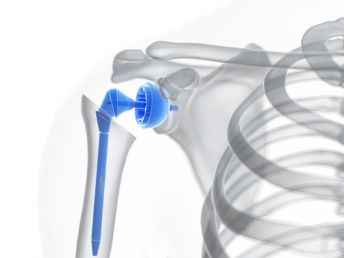
Shoulder joint replacement for advanced arthritis, cuff-tear arthropathy and complex fractures.
About Shoulder Joint Replacement
For a detailed assessment and a treatment plan tailored to you, consult Dr. Vamshi Krishna Terala at Elite Ortho and Spine Centre.
Answers
Shoulder Joint Replacement — FAQs
How does shoulder arthritis or joint damage happen?
The shoulder joint, like other joints, relies on smooth cartilage and synovial fluid for pain-free movement. With age, injury, or overuse, the cartilage can wear down, ligaments can weaken, and joint surfaces may become damaged, causing pain, stiffness, and reduced mobility.
What is shoulder joint replacement surgery?
Shoulder joint replacement (arthroplasty) is a surgical procedure to replace the damaged parts of the shoulder joint with artificial implants. This restores smooth movement, reduces pain, and improves shoulder function.
Who is a candidate for shoulder replacement?
- Patients with severe shoulder arthritis not relieved by medications or physiotherapy
- Those with rotator cuff tear arthropathy
- Patients with significant trauma or fractures of the shoulder joint
- Individuals with limited range of motion and chronic pain affecting daily activities
What types of implants are used in shoulder replacement?
- Total shoulder replacement: Both the ball (humeral head) and socket (glenoid) are replaced
- Reverse shoulder replacement: Used when the rotator cuff is damaged; the ball and socket positions are reversed
- Hemiarthroplasty: Only the humeral head is replaced
How long do shoulder implants last?
Modern shoulder implants are designed to last 15–20 years, depending on activity levels, implant type, and adherence to post-operative care.
Is shoulder replacement surgery and recovery painful?
The surgery is performed under anesthesia, so there is no pain during the procedure. Post-operative discomfort is managed with medications, ice therapy, and physiotherapy. Recovery involves gradual exercises to restore movement and strength, typically over several months.
What is the recovery process after shoulder replacement?
- Immediate post-op: Sling use and gentle movements
- 2–6 weeks: Gradual physiotherapy to regain range of motion
- 3–6 months: Strengthening exercises and gradual return to daily activities
- 6+ months: Full functional recovery and return to sports or strenuous activity, if cleared by your surgeon
Get in touch
Book an Appointment
Share a few details and our team will call you back to confirm a convenient time at KIMS Hospitals, Kondapur, Hyderabad.