
Introduction
PCL surgery helps repair or rebuild the posterior cruciate ligament in the knee. This procedure is important for people with serious knee injuries. Often, doctors suggest PCL surgery when other treatments do not help. In this blog, you will learn what to expect, how recovery works, and key facts about PCL surgery. We also cover PCL reconstruction recovery, knee ligament surgery, and PCL injury treatment.
What is the Posterior Cruciate Ligament (PCL)?
The PCL is a strong band of tissue inside your knee. It connects your thigh bone to your shin bone. Because of this, it helps keep your knee stable. The PCL works with other ligaments to control knee movement. When the PCL is injured, your knee may feel loose or weak.
When is PCL Surgery Needed?
Sometimes, mild PCL injuries heal with rest and therapy. However, surgery may be needed if:
The ligament is completely torn
Other knee ligaments are also injured
Your knee feels unstable after months of therapy
You want to return to sports or active work
In many cases, doctors recommend PCL surgery for athletes or people with severe injuries.
Symptoms Indicating PCL Injury
PCL injuries can cause several symptoms. For example, you may notice:
Pain in the knee, especially at the back
Swelling soon after the injury
Difficulty walking or standing
A feeling that your knee may give way
Stiffness or trouble bending the knee
Because these symptoms can be mild at first, it is important to see a doctor if you hurt your knee.
Diagnosis of PCL Injuries
Doctors use several steps to diagnose a PCL injury. First, they ask about your symptoms and how the injury happened. Next, they examine your knee for swelling, pain, or looseness. Often, doctors order imaging tests such as:
X-rays to check for broken bones
MRI scans to see the ligaments and soft tissues
With these tests, doctors can decide if PCL surgery or other treatments are best for you.
Overview of PCL Surgery Procedure
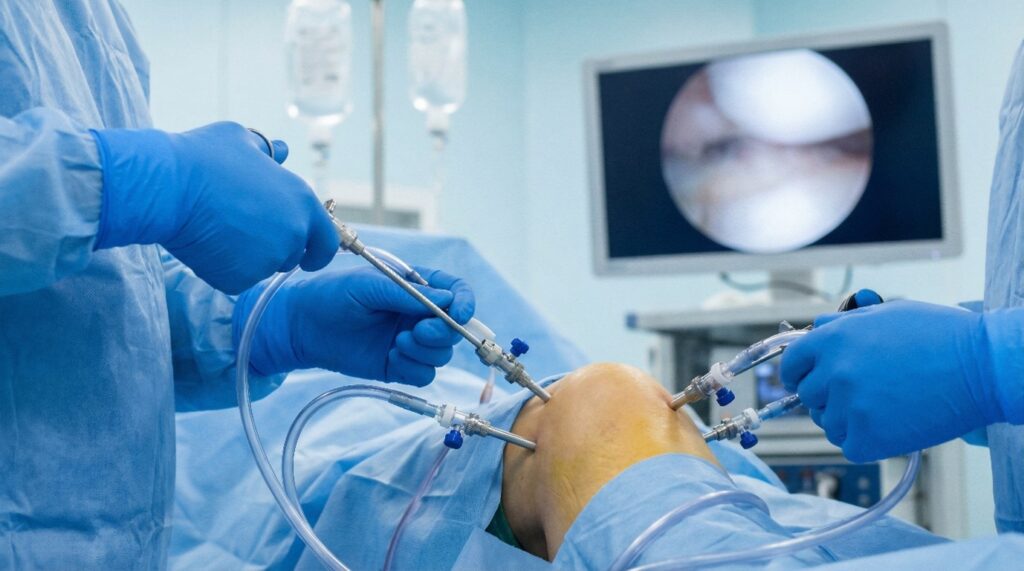
PCL surgery is usually done with small cuts and a camera, called arthroscopy. During the procedure, the surgeon removes the damaged ligament. Then, they use a piece of tendon from your body or a donor to rebuild the PCL. This is called PCL reconstruction. Because the surgery is minimally invasive, recovery is often faster than with open surgery.
Recovery Timeline and Rehabilitation
After PCL surgery, recovery takes time and effort. Here is a general timeline:
First few days: Rest, ice, and keep your leg raised
First 2 weeks: Use crutches and wear a knee brace
Weeks 2–6: Start gentle exercises with a therapist
Months 2–6: Gradually increase strength and movement
6–12 months: Return to sports or full activity
PCL reconstruction recovery depends on your health and how well you follow therapy. For best results, always follow your doctor’s advice.
Risks and Possible Complications
Like any surgery, PCL surgery has some risks. However, most people recover well. Possible complications include:
Infection at the surgery site
Stiffness or loss of knee movement
Blood clots in the leg
Pain or swelling that lasts longer than expected
Graft failure or need for repeat surgery
Because these risks are rare, your doctor will discuss them before surgery. The CDC and orthopedic experts recommend following all care instructions to lower your risk.
Tips for a Smooth Recovery
For a better recovery after knee ligament surgery, try these tips:
Follow your physical therapy plan closely
Take medicines as prescribed
Keep your knee clean and dry
Use ice packs to reduce swelling
Eat healthy foods to help healing
Ask your doctor before returning to sports
With patience and care, most people regain good knee function.
Prevention of Future Knee Injuries
After PCL injury treatment, you can lower your risk of future injuries. For example:
Warm up before exercise or sports
Wear proper shoes and safety gear
Strengthen your leg muscles with regular exercise
Avoid sudden stops or twists during activity
Listen to your body and rest when needed
Because prevention is key, always use safe techniques during sports and daily activities.
Frequently Asked Questions about PCL Surgery
How long does PCL surgery take? Most surgeries last 1–2 hours.
Will I need to stay in the hospital? Many people go home the same day.
When can I walk after surgery? You may use crutches for several weeks. Walking without help depends on your progress.
Is PCL surgery painful? Some pain is normal, but medicines help control it.
How soon can I return to sports? Most people return to sports after 6–12 months, with their doctor’s approval.
For more details, talk to your orthopedic specialist. They can answer questions about your unique case.
Consult Dr. Vamshi Krishna for expert guidance on PCL surgery and personalised recovery plans tailored to your needs.